
Getting injured is frustrating for any athlete. Whether you’re a competitive player, a runner, or someone who simply enjoys staying active, time away from your sport can feel like a major setback. But one of the biggest mistakes athletes make isn’t the injury itself—it’s returning too quickly without properly preparing the body.
A safe return to play isn’t just about being pain-free. It’s about restoring strength, movement, and confidence so you can perform at your best without risking another injury.
Why Returning Too Soon Can Set You Back
It’s common to feel ready to jump back into activity as soon as the pain starts to fade. However, pain is only one piece of the recovery process. Muscles, tendons, and joints often need more time to fully regain their strength and stability.
Returning too soon can lead to compensations in how you move, which puts added stress on other parts of the body. This increases the risk of re-injury or even developing a new injury altogether. Taking the time to fully recover now can save you from a much longer setback later.
Key Phases of a Safe Return to Play
1. Pain and Inflammation Management
The first step focuses on reducing pain and swelling while protecting the injured area. This may include rest, gentle movement, and guided exercises to maintain mobility without causing further irritation.
2. Restoring Mobility and Flexibility
Once pain is under control, the next step is regaining normal range of motion. Stiffness and limited mobility can alter movement patterns, so it’s important to restore flexibility before progressing to more demanding activities.
3. Rebuilding Strength
Strength is essential for supporting joints and absorbing the demands of your sport. This phase focuses on targeted exercises to rebuild muscle strength, especially in areas that may have weakened during recovery.
4. Improving Stability and Control
Balance, coordination, and control are often overlooked but are critical for preventing re-injury. This phase includes exercises that challenge your body to stabilize and react to movement in a controlled way.
5. Sport-Specific Training
Before returning to full activity, your body needs to be reintroduced to the specific movements required in your sport. This might include running, cutting, jumping, or changing direction. These movements are gradually reintroduced to ensure your body can handle them safely.
Signs You’re Ready to Return
Every recovery is different, but there are some general indicators that you may be ready to return to your sport.
You should be able to move through full ranges of motion without pain, perform sport-specific movements with confidence, and demonstrate strength and stability comparable to your uninjured side. Just as importantly, you should feel mentally ready to return, without hesitation or fear of re-injury.
The Role of Physical Therapy
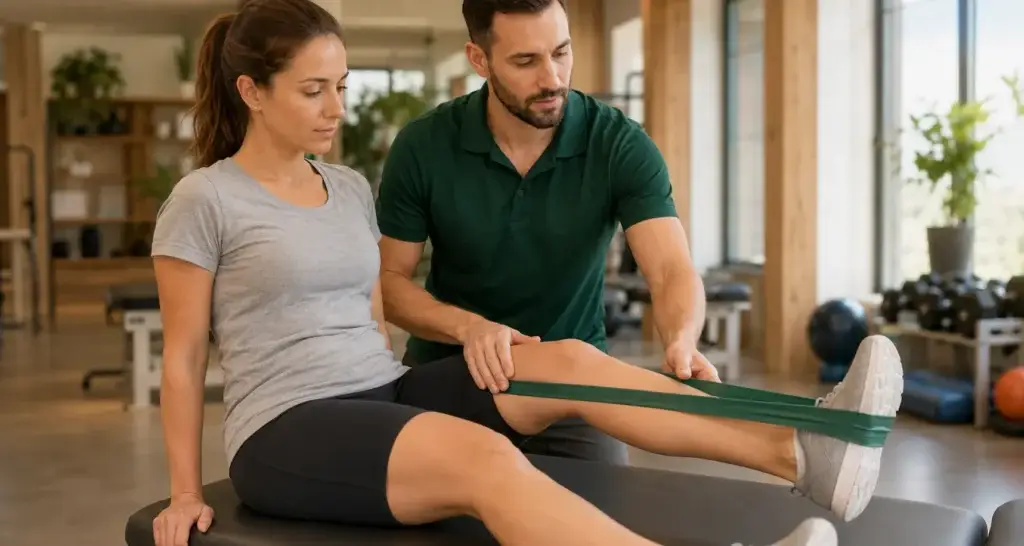
Physical therapy provides structure and guidance throughout the return-to-play process. Rather than guessing when you’re ready, a physical therapist uses objective measures to assess your progress and determine when it’s safe to advance.
Your therapist will design a personalized program based on your injury, your sport, and your goals. They’ll also help identify any underlying issues—like muscle imbalances or movement inefficiencies—that may have contributed to the injury in the first place.
Reducing the Risk of Re-Injury
A successful return to play doesn’t stop once you’re back on the field or road. Continuing with strength training, mobility work, and proper warm-ups is key to staying healthy long-term.
Listening to your body, allowing time for recovery, and addressing small issues early can help prevent future setbacks. Many athletes benefit from ongoing guidance to maintain performance and reduce injury risk.
Conclusion
Returning to sport after an injury is a process, not a single moment. Taking the time to properly recover, rebuild, and prepare your body will not only help you avoid re-injury but also improve your overall performance.
If you’re working your way back from an injury, having a clear plan can make all the difference. A structured return-to-play program can help you regain confidence, move better, and get back to doing what you love—safely and successfully.